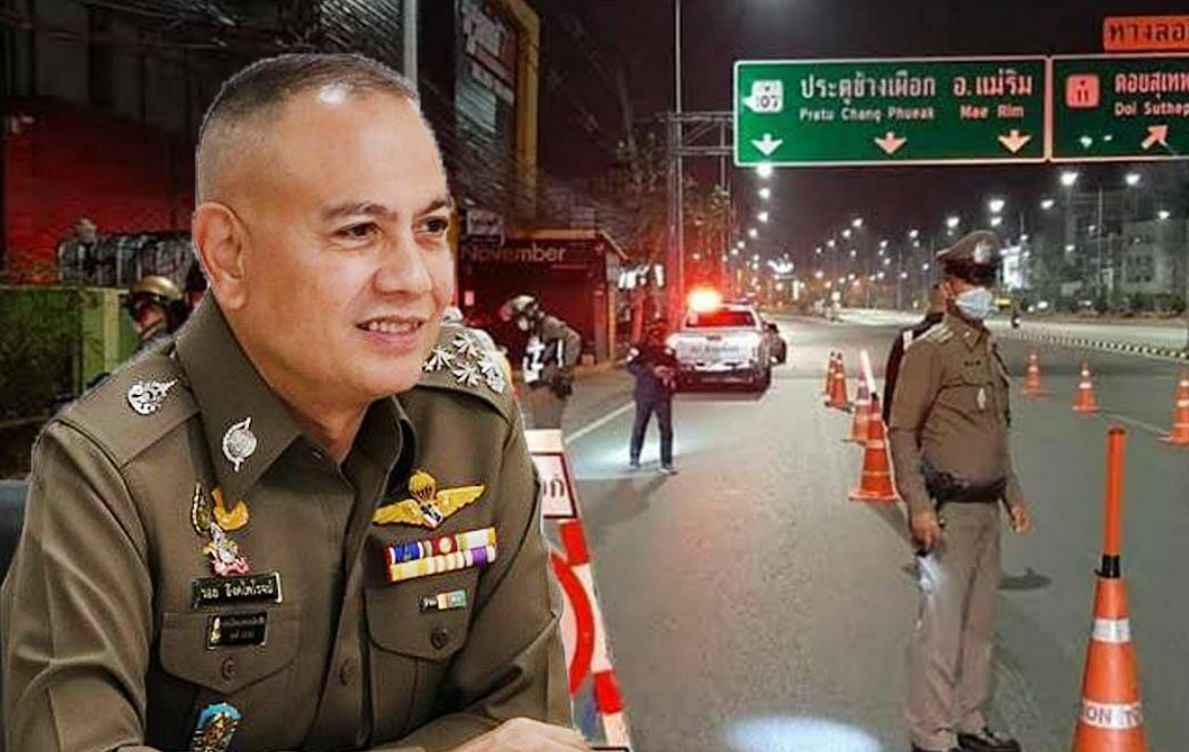
Yesterday, the Royal Thai Police, led by Deputy Commander Roy Inkpairoj, initiated a campaign to enforce ten crucial traffic safety regulations during the extended public holiday period from July 28 to August 2. The primary objective of these measures is to safeguard citizens during their holiday travels and to prevent and decrease road accidents.
Inkpairoj issued a radio directive to police officers nationwide, instructing them to uphold ten key traffic safety laws aimed at addressing the primary causes of road accidents. These violations include speeding, ignoring traffic signals, driving under the influence, risky overtaking, failure to wear helmets for motorcyclists, and neglecting seatbelt usage, among others.
To enforce these laws effectively, the police were ordered to set up roadblocks and alcohol inspection points in areas with a history of accidents or frequent law violations. They carefully selected these locations based on local accident statistics and avoided overlapping enforcement units. Additionally, rapid response teams are being mobilized to ensure efficient law enforcement.
In cases of accidents resulting in injuries or fatalities, investigating officers were specifically instructed to test the blood alcohol levels of all drivers involved, thereby reinforcing traffic safety measures. Those found guilty of offenses will face full prosecution for their actions. The police are required to examine the criminal history of lawbreakers, which may lead to additional or increased penalties.
Moreover, if a drunken driver happens to be under 20 years old, the Alcohol Control Act will extend legal consequences to alcohol sellers. Furthermore, if the driver is below 18 years old, the law will investigate those who encouraged, allowed, or supplied alcohol to the minor, acting in accordance with the Child Protection Act.
Apart from punitive measures, the traffic safety strategy also emphasizes ensuring smooth traffic flow for holidaymakers and those returning home. Necessary routes were carefully considered, with special attention to areas prone to emergencies or accidents.
The police were entrusted with traffic management and parking organization, especially in key tourist destinations. They were also tasked with inspecting and updating traffic signs and signals, ensuring their proper illumination and functionality, expediting road resurfacing, and providing public information about construction, repair zones, or areas with heavy traffic. Alternate routes will be suggested to minimize traffic congestion and ensure safe and seamless travel for holiday-goers.